
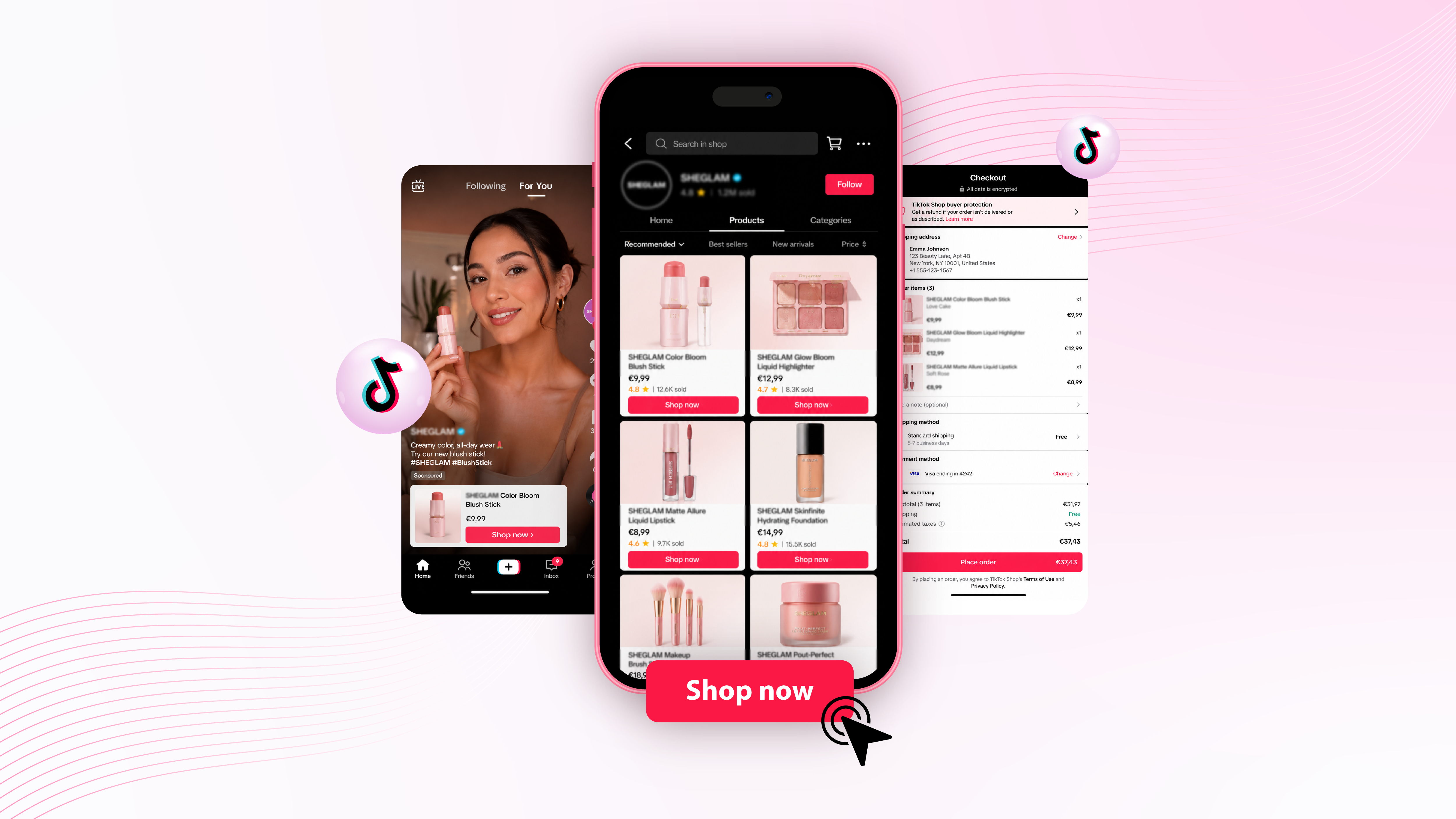





"Why is TikTok showing me camping gear? I watched one hiking video."
If you've ever found yourself buying something you didn't plan to, TikTok's recommendation engine has probably done its job.
A weekend hiking video turns into a stream of tents and trail shoes. A search for running tips fills your feed with hydration packs and recovery tools. Ten minutes later, you're researching a product you had zero plans to buy.
This is why TikTok has become one of ecommerce's most powerful discovery engines. TikTok needs to understand what you're selling, who it's for, and when to show it, and that understanding comes from your product feed. Your feed powers Smart+ Catalog Ads, Dynamic Showcase Ads, Collection Ads, Video Shopping Ads, search visibility, and AI-driven recommendations across TikTok. Feed it well, and TikTok connects your products to the right shoppers. Feed it poorly, and no campaign tweak will fix that.
TikTok Catalog Ads have evolved. Has your product feed?
Catalog Ads originally helped advertisers automatically promote products from a catalog without creating individual ads for every SKU. Today, catalog data powers much more than dynamic product ads.
TikTok now uses product feeds across multiple commerce experiences, including Smart+ Catalog Ads, Video Shopping Ads, Catalog Listing Ads, and TikTok Shop campaigns. Product data also influences AI-generated creative experiences, product recommendations, and search visibility.
Catalog Ads have quietly become the backbone of TikTok Shop's growth engine. The global TikTok Shop GMV is on track to hit roughly $112.2 billion this year, and total ad revenue is projected to grow about 26% year-over-year.
Catalog Ad formats to choose from on TikTok
TikTok offers several catalog-powered advertising formats, each designed for different shopping experiences and campaign goals.
| Ad format | Description | Best for |
|---|---|---|
| Smart+ Catalog Ads | AI-powered catalog campaigns that automate targeting, bidding, product selection, and creative optimization | Website conversions and performance marketing |
| Video Shopping Ads | Video content with clickable product cards from a catalog | Product storytelling and demonstrations |
| Catalog Listing Ads | Product-focused ads generated directly from catalog data | Large catalogs and frequent inventory updates |
| Collection Ads | A hero video or image paired with a curated product gallery | Product discovery, category promotion, and seasonal campaigns |
| Dynamic Showcase Ads (DSA) | Automatically promotes relevant products based on shopper behavior and engagement | Retargeting and lower-funnel conversions |
| GMV Max | AI-powered TikTok Shop campaigns optimized for Gross Merchandise Value (GMV) | Driving sales through TikTok Shop |
Planning to sell through TikTok Shop? You can also promote livestream commerce using LIVE Shopping Ads or LIVE GMV Max, which are designed specifically for live shopping events rather than traditional catalog campaigns.
Automate TikTok Shop catalog management with Productsup
Keep your TikTok Shop product catalog, inventory, and orders synchronized through the TikTok Shop Product Catalog API. Productsup helps you automate product updates and scale selling across TikTok Shop with confidence.
Learn moreRegardless of the format you choose, they all depend on high-quality product data.
Let's look at the feed optimization strategies that matter most in 2026.
1. Give TikTok's AI more context to work with
A few years ago, advertisers spent much of their time adjusting bids, audiences, placements, and campaign settings.
Today, formats like Smart+ Catalog Ads and GMV Max automate many of those decisions. TikTok's AI can decide which products to promote, which audiences to target, which creatives to show, and how campaign budgets should be distributed.
Think of your product feed as the information layer behind TikTok's automation. The platform can't optimize around information that doesn't exist.
For example: A title such as "Women's Dress" provides very little context. But the title "Linen Wrap Midi Dress with Short Sleeves – Women's, Navy Blue" helps TikTok understand the product's category, material, style, audience, and color.
The same principle applies across the entire feed. Categories, product types, materials, dimensions, sizes, colors, compatibility details, and variant information all help TikTok distinguish products and match them with relevant shoppers.
When reviewing your feed, ask:
- Who is this product designed for?
- What makes it different from similar products?
- When or where is it typically used?
- Which attributes could influence a purchase decision?
- How does one variant differ from another?
The more context you provide, the more accurately TikTok can categorize, recommend, and promote your products across Smart+, GMV Max, and other catalog-driven experiences.
2. Optimize your feed for TikTok search behavior
Adobe research indicates that nearly one in two consumers (49%) use TikTok as a search engine.
 Source
Yet 38% of businesses say converting TikTok engagement into measurable sales remains a major challenge.
TikTok searches often sound more like requests for advice than traditional product queries:
- Best luggage for a two-week Japan trip
- Kitchen gadgets worth buying on TikTok
- Outfits for a summer wedding guest
- Desk accessories for a small apartment
- Gifts for coffee lovers
These searches combine product intent with an occasion, problem, trend, or recommendation cue. Use this behavior to shape your catalog strategy. Identify recurring discovery themes, group relevant products into dedicated product sets, and align product copy, campaign creative, and landing pages around the same language.
For example, a retailer targeting “summer wedding guest outfits” could build a product set around suitable dresses, shoes, bags, and accessories instead of promoting a broad formalwear category.
3. Build product sets around campaign intent
TikTok product sets allow advertisers to promote selected groups rather than activating the entire catalog in every ad group. Use product sets to create a clear merchandising strategy.
Useful groupings may include:
- High-margin products
- Best sellers with reliable inventory
- Products eligible for a current promotion
- New-season launches
- Items suited to a specific audience or use case
- Products with enough creative assets and conversion history

Avoid building sets solely from broad internal departments. For example, a beauty brand may get more useful campaign control from “five-minute morning skincare” or “travel-size essentials” than from a general “skincare” set.
4. Fix catalog issues before increasing spend
ROAS reports tell you what happened after delivery. TikTok’s Catalog Manager Diagnostics dashboard can reveal issues that may be restricting delivery in the first place, including rejected products, missing information, and feed-processing errors. TikTok also provides issue-specific actions for troubleshooting affected products.

Build catalog health into the campaign routine. Monitor:
- The number of active, pending, and rejected products
- Broken image or landing-page URLs
- Missing or invalid attributes
- Price and availability mismatches
- Feed upload failures
- Products receiving spend but producing little revenue
- Items with low catalog-to-event match rates
For GMV Max advertisers, review performance at product and creative level as well. TikTok now offers product-level delivery controls and, in eligible cases, ROI protection, but those features work best when the underlying product information is accurate.

Common TikTok Catalog Ad mistakes to avoid
❌ Ignoring Catalog Manager warnings
Disapproved products, broken URLs, and missing attributes can quietly limit delivery long before performance metrics show a problem.
❌ Overloading product images with promotional elements
Too many badges, discount labels, or text overlays can make products harder to scan on mobile. Let the product remain the focal point.
❌ Placing text too low in the video
Product cards, pricing, CTAs, and other shopping overlays often appear in the lower portion of TikTok ads. Keep important messaging in the upper two-thirds of the frame.
❌ Promoting products with little or no supporting content
Products backed by creator videos, reviews, demonstrations, and UGC often perform better in TikTok's content-driven environment.
❌ Sending shoppers to generic landing pages
A product ad should lead directly to the advertised product. Extra clicks between discovery and purchase can reduce conversion rates.
Most of these issues can be prevented before they impact campaign performance. Better yet, you don't have to manage them manually.
With the Productsup enterprise feed management platform, you can automate feed optimization, maintain catalog quality, and keep TikTok product data accurate and campaign-ready at scale.
- Optimize and enrich product data with 250+ feed optimization tools
- Manage and syndicate product feeds across TikTok and2,500+ commerce destinations
- Prepare products for AI-powered discovery, recommendations, and shopping experiences with advanced AI platform capabilities.
About the author
