





Winning in global ecommerce means winning in the US market. In Q1 2026 alone, US ecommerce sales hit $326.7 billion, accounting for 16.9% of total retail and up 9.8% year over year.
From Amazon and Walmart to Etsy, Wayfair, Best Buy, and The Home Depot, the US is home to the world's longstanding retail giants. These marketplaces and retailers set the pace for innovation, following how US consumers shape shopping behavior.
But succeeding on these channels means playing by their rules. Each platform has its own requirements, ranking signals, advertising opportunities, and customer expectations. This makes a one-size-fits-all approach hard to scale.
So, let’s take a closer look at what brands need to know about the 10 most important US ecommerce platforms and how to improve product visibility, engagement, and sales on each.
Leading online marketplaces and ecommerce shopping platforms in the US
Below is a snapshot of some of the leading ecommerce platforms in the US and where each one tends to perform best.
| Platform | Category strength | Best for | What drives visibility |
|---|---|---|---|
| Amazon | General merchandise | Brands seeking maximum reach and scale | Conversion signals, Buy Box performance, A+ Content, Amazon Ads |
| Walmart | Grocery, household essentials, general merchandise | Value-focused brands and high-volume product catalogs | Competitive pricing, Walmart Fulfillment Services (WFS), Walmart Connect Ad Center |
| eBay | Collectibles, refurbished goods, automotive | Resale, refurbished, and specialty inventory | eBay item specifics, Promoted Listings, and seller feedback signals |
| Target | Lifestyle, beauty, home, apparel | Established consumer brands with strong retail positioning | Curated assortment fit, PDP content quality, Target+ merchandising, and Roundel retail media placements |
| Best Buy | Consumer electronics and appliances | Technology brands and specification-heavy products | Product comparison modules, compatibility filters, customer reviews, and sponsored product placements |
| Costco | Bulk-buy essentials, groceries, and household goods | Multi-pack products and value-driven brands | Promotional feature placements, bundled value propositions, membership-driven merchandising, and seasonal assortment relevance |
| The Home Depot | Home improvement tools, building materials | DIY, contractor, and trade-focused brands | Technical attribute completeness and project-based buying guides |
| Etsy | Handmade, personalized, and custom products | Makers, artisans, and customization-focused sellers | Etsy search relevance, personalization fields, customer reviews, and Etsy Ads |
| Wayfair | Home furnishings | Furniture, décor, and large-catalog home brands | Product specifications, room and style filters, visual merchandising, and Sponsored Products placements |
| Macy's | Fashion, beauty, and premium home goods | National brands targeting department-store shoppers | Category curation, promotional campaigns, ratings and reviews, and Macy's Media Network placements |
1. Amazon
Amazon remains the largest ecommerce platform in the US, helping brands reach millions of potential customers and capturing roughly 40% of the country's ecommerce market. With hundreds of millions of products and millions of active sellers competing for attention, it is often the go-to marketplace where consumers begin online shopping and compare prices before they buy.
The platform continues to expand its influence beyond traditional search. In 2024, Amazon introduced Rufus, a generative AI shopping assistant that helps customers compare products, ask detailed questions, and receive recommendations through natural language conversations.
Since then, Amazon has expanded its AI shopping capabilities with enhanced conversational discovery experiences, multimodal shopping tools, and the launch of its Agentic Shopping Assistant (ASA) for retailers. These developments signal a broader shift toward AI-guided product discovery, where rich, accurate product data plays an increasingly important role in surfacing and recommending products, while also supporting brands seeking global reach beyond the US. To support high-level account management alongside structured inventory feeds, commercial teams frequently deploy a web-based presentation maker to publish interactive brand decks and retail media plans.
What drives product discovery
- Conversion signals, including click-through rates, sales velocity, and customer engagement
- Buy Box performance, which determines sellers who receive the majority of purchases on shared listings
- A+ Content, enhanced brand content, and rich product detail pages
- Amazon Ads placements across search results, product pages, and recommendation modules
Grow your business on the Amazon marketplace
Discover how enterprise teams benefit from the Productsup Amazon integration
Learn more →2. Walmart
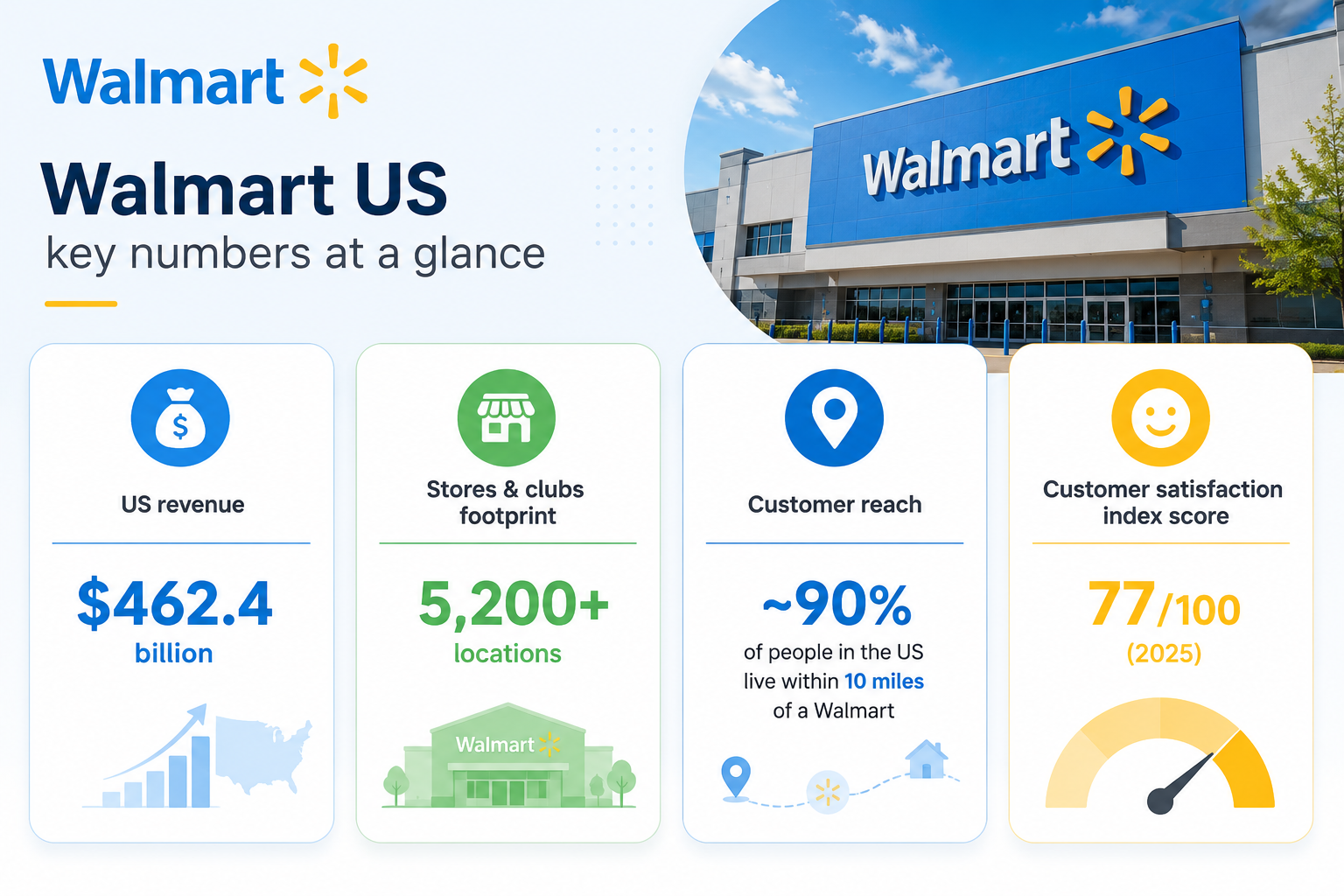
Walmart is one of the largest ecommerce businesses in the US. In fiscal year 2026, its US division generated 68% of the company's global net sales, underscoring the scale of its domestic retail and ecommerce operations. Today, Walmart's growing marketplace gives brands and third-party sellers access to millions of shoppers across grocery, household essentials, electronics, toys, and home goods.
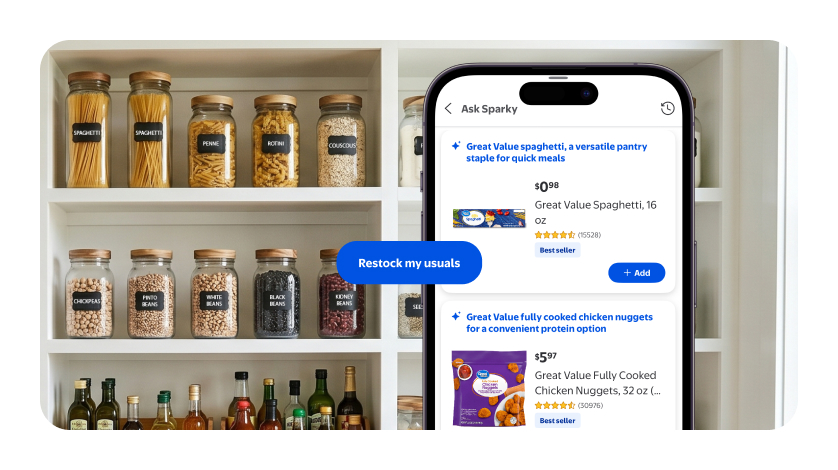
The retailer is also investing heavily in AI-powered shopping experiences.
- Walmart has partnered with Google Gemini to support AI-assisted product discovery and purchasing experiences.
- Walmart's AI assistant, Sparky, is becoming a core part of the shopping experience. The retailer recently expanded Sparky with AI-powered recommendations, advertising, and shopping workflows, with seamless integration between marketplace discovery and broader shopping experiences, and reported that customers who use Sparky generate basket sizes approximately 35% larger than those of other shoppers.
What drives product discovery
- Walmart Fulfillment Services (WFS), pricing competitiveness, and delivery speed
- Category attribute completeness and merchandising quality
- Walmart Connect sponsored placements and retail media campaigns
- Inventory availability and marketplace performance signals
3. eBay
Founded in 1995, eBay remains one of the most recognizable ecommerce marketplaces in the US. While the platform originally built its reputation through auctions (previously named AuctionWeb), it has evolved into a major destination for collectibles, refurbished electronics, automotive parts, luxury resale, and hard-to-find inventory.
Unlike traditional retail marketplaces, eBay excels at connecting buyers with niche products, second-hand goods, and specialty inventory that may not be available elsewhere. It remains useful for many sellers serving niche markets, supporting both businesses and individual sellers.
What drives product discovery
- Detailed item specification and structured product identifiers
- Promoted Listings advertising placements
- Seller ratings and feedback signals
- Trust signals from Authenticity Guarantee and Certified Refurbished Programs
- eBay’s fee structure, including listing fees and other selling fees
👉 Optimize your product listings with Productsup eBay marketplace integration. Learn more.
4. Target
Target Plus takes a different approach from traditional marketplaces. Rather than allowing any seller to join, Target carefully curates marketplace partners, creating a smaller but more selective assortment. This gives brands access to a loyal customer base while reducing some of the competitive noise found on larger marketplaces.
The platform performs particularly well in categories such as beauty, home, lifestyle, apparel, and baby products, where Target has built strong consumer trust and brand affinity.
What drives product discovery
- Target Plus assortment standards and category fit
- Lifestyle merchandising and inspiration-led shopping experiences
- Roundel retail media placements
- Omnichannel services such as Drive Up, Pickup, and same-day delivery
5. Best Buy
Best Buy remains one of the leading destinations for consumer electronics, appliances, gaming, and connected devices in the US. In fiscal 2026, the company generated $41.7 billion in revenue and operated more than 1,000 stores across North America. Online sales continue to play a significant role, accounting for nearly one-third of domestic revenue.
As shoppers increasingly research products before purchasing, Best Buy has positioned itself as a destination for product comparison, expert guidance, and technology recommendations. The company has also expanded its Marketplace and Best Buy Ads businesses, creating new opportunities for brands to increase visibility and reach shoppers during the evaluation phase of the purchase journey.
What drives product discovery
- Specification-driven comparison tools and buying guides
- Compatibility and ecosystem fit (Apple, Samsung, smart home, gaming)
- Customer reviews, expert recommendations, and Geek Squad trust signals
- Best Buy Ads and Marketplace placements
6. Costco
Costco has built one of the most loyal customer bases in US retail through its membership model and value-focused assortment strategy. Its ecommerce business complements a strong warehouse presence across grocery, household goods, electronics, furniture, and appliances.
What drives product discovery
- Featured promotions and seasonal merchandising campaigns
- Multi-pack and bulk-value product configurations
- Kirkland Signature and trusted brand positioning
- Curated assortment and limited-time product availability
7. The Home Depot
The Home Depot is one of North America's largest home improvement retailers, serving both DIY consumers and professional contractors. In the first quarter of fiscal 2026, the company generated $41.8 billion in sales, an increase of 4.8% year over year, reflecting continued demand across home improvement categories. The retailer remains a leading destination for tools, building materials, appliances, outdoor equipment, and renovation-related products.
The platform is especially important for categories such as tools, hardware, building materials, appliances, outdoor equipment, and home improvement products.
What drives product discovery
- Project guides and buying tools (e.g., deck-building, bathroom renovation, painting projects)
- Application-specific and compatibility attributes (e.g., pipe size, battery platform, mounting type)
- echnical specifications and certifications (e.g., ENERGY STAR®, UL-listed, contractor-grade)
- Comparison tools and category filters (e.g., compare drill power, mower deck size, water heater capacity)
8. Etsy
Etsy has become a go-to destination for shoppers looking for products that feel more personal than mass-market alternatives. It has built its reputation on helping shoppers discover products with personality, from personalized gifts and handmade jewelry to custom artwork and vintage finds.
Categories such as jewelry, wedding products, gifts, home décor, and crafts continue to perform particularly well. Etsy has also introduced AI-powered shopping features, such as Gift Mode, which helps shoppers discover products based on recipient interests and gifting occasions.
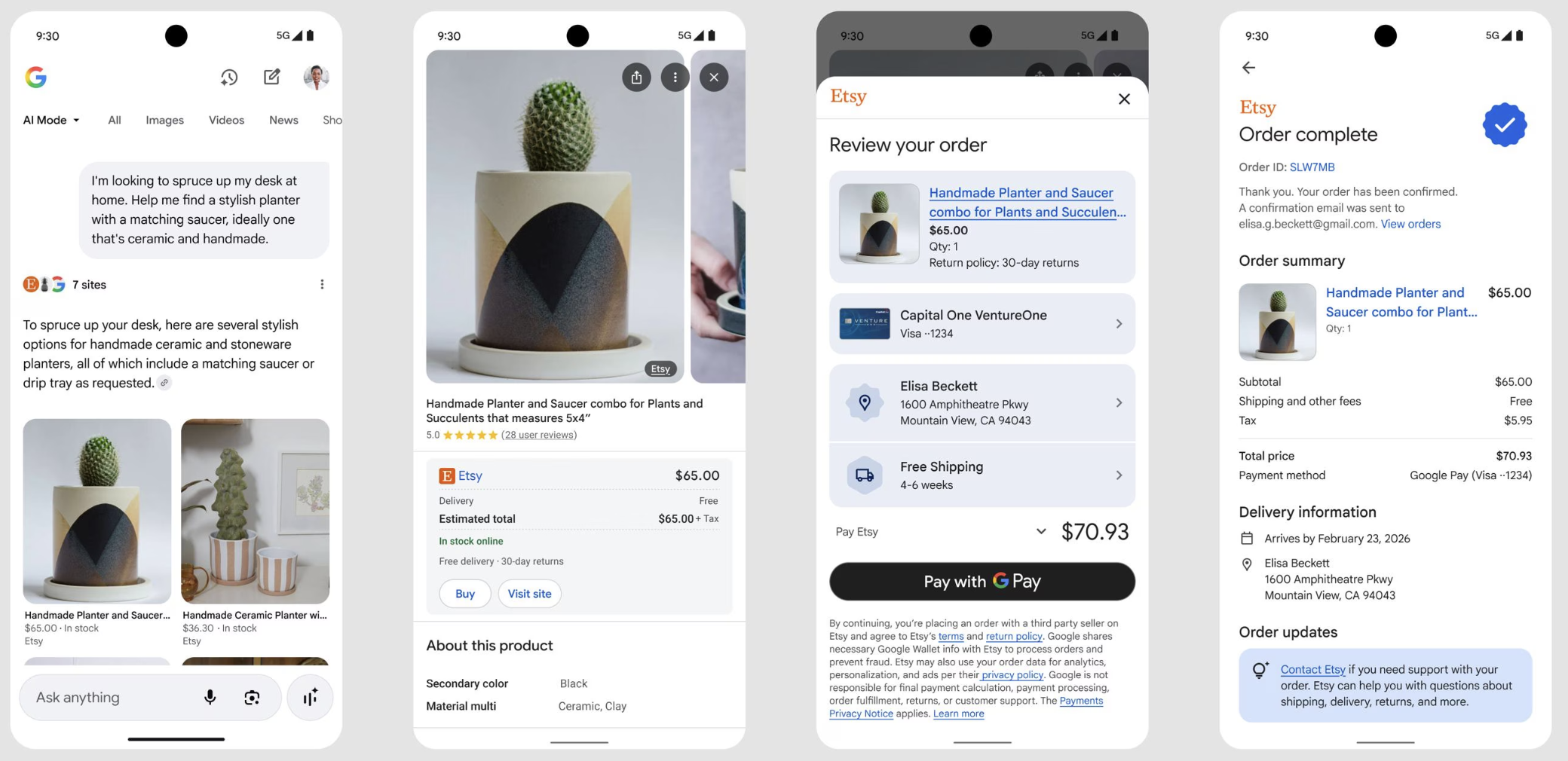
Etsy is also extending product discovery beyond its own marketplace through a partnership with Google, making Etsy listings available across Google's AI-powered shopping experiences, including Gemini and AI Mode.
What drives product discovery
- Product tags and Etsy search matching
- Personalization options and custom-order capabilities
- Shop ratings, reviews, and sales history
- Gift Mode recommendations and Etsy Ads placements
9. Wayfair
Wayfair has become one of the largest online destinations for furniture and home goods in North America. The platform offers millions of products spanning furniture, lighting, décor, outdoor living, renovation projects, and home improvement.
Because home purchases are often highly visual, Wayfair has invested in technologies that help shoppers browse products by style, room type, and visual inspiration. The company continues to expand its use of AI to support product discovery, visualization, and personalized shopping experiences.
Wayfair is investing in AI‑powered discovery wherever our customers are—whether that is on our own app or across external AI platforms," said Fiona Tan, Wayfair's Chief Technology Officer. “By working together with other retailers on open standards like UCP, we're helping ensure AI-driven shopping experiences connect customers to trusted retailers and reliable purchase experiences.
Source
What drives product discovery
- Product specifications, dimensions, and material attributes
- Style, room, and visual similarity recommendations
- Lifestyle imagery and room-scene merchandising
- Sponsored Products and category placements
10. Macy's
Macy's remains one of the most recognized department store brands in the US, with a strong online presence across fashion, beauty, accessories, and home goods.
The retailer combines established national brands with seasonal merchandising, promotional events, and loyalty-driven shopping experiences that continue to attract a broad customer base.
What drives product discovery
- Category curation and promotional campaigns
- Ratings, reviews, and customer engagement signals
- Macy's Media Network advertising placements
- Assortment relevance and seasonal merchandising
The future of product discovery is everywhere
There is no single formula for winning in US ecommerce. Each platform attracts different audiences, shopping behaviors, and discovery patterns. The brands that succeed are those that adapt their product content, merchandising, and marketplace strategy to fit the way shoppers browse and buy on each channel.
Whether you're planning to or already selling on Amazon, Walmart, Etsy, Wayfair, or emerging AI-powered shopping channels, Productsup helps ensure your products are ready to be discovered and purchased wherever the shopping journey begins. With Productsup, you can:
- Adapt product content for marketplace, retail, and AI discovery requirements
- Enrich product catalogs with Productsup AI Enrich, transforming standard product data into product highlights, Q&A pairs, use cases, and other AI-ready commerce signals
- Distribute product data across 2,500+ channels, including marketplaces, retailers, and emerging AI shopping experiences
To learn how leading brands optimize product data across channels, schedule a personalized demo with the Productsup team.
FAQs
The best platform depends on what you sell and who you're trying to reach. Etsy works well for handmade and personalized products, Wayfair specializes in home goods, while Amazon and Walmart offer broad reach across a wide range of categories.
Every platform works differently. Your visibility may depend on factors such as product content quality, category attributes, customer reviews, advertising placements, fulfillment performance, and platform-specific ranking signals.
Productsup helps you optimize, enrich, and distribute product data across marketplaces, retailers, social commerce platforms, and AI-powered shopping channels. This makes it easier to meet channel requirements, improve product visibility, and keep your product information consistent everywhere you sell.
About the author
